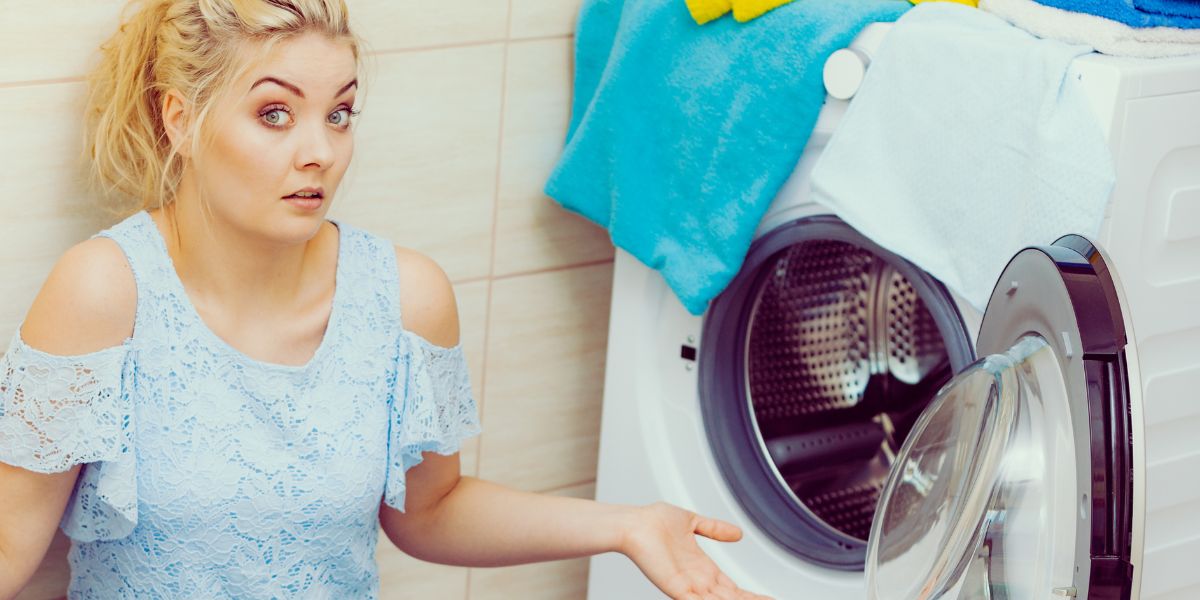
It happens to the best of us. You have just pulled your favourite outfit out of the washing machine, only to look out the window and see a torrential downpour. Or perhaps you simply refuse to let the electricity required to run a tumble dryer dictate your household budget.
Whatever your reason for skipping the machine, figuring out the best way to dry clothes without a dryer can feel like a strategic puzzle. Done poorly, your living room transforms into a humid, damp cavern, and your clothes end up smelling vaguely like a wet dog.
Fortunately, drying your laundry indoors does not have to take three business days. With a little strategy and a basic understanding of airflow, you can optimise the process and get your wardrobe back in rotation quickly.
The Pre-Game: The Double Spin Cycle
The most effective way to dry your clothes faster actually starts before they even leave the washing machine. If your fabric allows for it, run your laundry through an extra spin cycle at the end of the wash.
Washing machines rely on centrifugal force to push water out of the fabric. By adding one more high-speed spin, you are mechanically removing a significant percentage of the moisture that would otherwise have to evaporate into your home. It takes an extra ten minutes but shaves hours off your drying time.

The Emergency Strategy: The Towel Burrito
If you are reading this because you have a dinner reservation in two hours and the shirt you need is currently soaking wet, you need the towel burrito method.
Take a clean, dry, and highly absorbent bath towel. Lay it flat on a hard surface, place your wet garment flat on top of the towel, and roll them up tightly together, like a burrito. Once rolled, press down firmly, you can even kneel on it if you are feeling aggressive. The dry towel will aggressively absorb the excess moisture from the garment. When you unroll it, your shirt will be slightly damp rather than soaking wet, reducing the required air-drying time to a fraction of what it was.

Optimise Your Clothes Airer
If you are relying on a standard folding clothes airer, do not just throw your garments onto it and hope for the best. Proper placement is everything.
Space is crucial: Leave adequate space between garments. If clothes are overlapping, the moisture has nowhere to escape, creating a microclimate of dampness. Hang smart: Instead of draping shirts and jackets over the rungs, put them on coat hangers and hang them from the corners of the airer. This opens up the fabric, prevents awkward creases, and allows air to flow right through the middle of the garment.
Control the Airflow and Humidity
Evaporation relies on two things: moving air and low humidity. Placing your wet clothes in a closed, stagnant room is a recipe for disaster.
If it is raining outside, keep the windows closed but place a standard pedestal fan near the clothes airer, set to a low speed. Moving air across the fabric speeds up evaporation drastically.
If you live in a particularly humid environment, a dehumidifier is your best investment. Placing a dehumidifier in a small room with your clothes airer will pull the moisture directly out of the air, drying your clothes almost as fast as a traditional dryer, without the heat damage or the excessive electricity draw.

What Not to Do
It is tempting to drape wet clothes directly over radiators or heating panels, but you should avoid this entirely. Not only is it a massive fire hazard, but it also traps moisture against the walls, which can lead to rapid mould growth. Stick to the airer, keep the air moving, and your clothes will be perfectly dry before you know it.