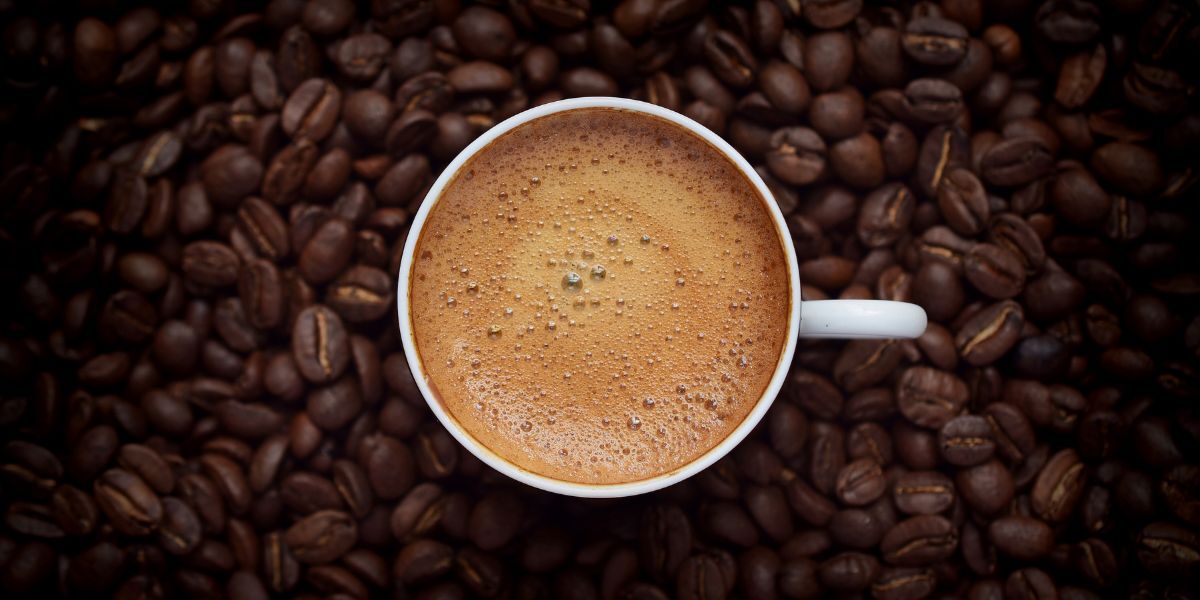
Australia spent most of its history drinking tea. These days, many argue over the best place to get a flat white; today we celebrate that as its International Coffee Day!
On March 10th 2026, the United Nations General Assembly officially recognised 1 October as International Coffee Day. A landmark moment that affirms the sector’s role in sustainable development and the livelihoods of over 125 million people worldwide. For the ICO and its 77 Member States, this recognition is the culmination of decades of advocacy and international cooperation. The day recognises everyone in the coffee chain, from farmers to the barista and the person who gets the cup! It’s a day for Global conversation, visibility, respect, and understanding of what goes into getting a great cup of coffee every morning.
Coffee came out with the First Fleet in 1788 but most of the plants struggled to grow and many died so the settlers stuck with tea. Melbourne later built grand “coffee palaces” in the 1880s and 1890s, mostly as temperance hotels meant to keep people out of pubs. They looked impressive and were known to be popular with tourists but after the Second World War as Italian and Greek migrants brought espresso machines and set up more coffee shops in Melbourne
Many people in that city will tell you it started there. Sydney picked it up around the same time. Within a generation, espresso had moved from migrant cafes into the middle of ordinary Australian life.
By the 1980s, people wanted the strength of espresso without a cap of dry foam. That drink became the flat white: a double shot of espresso, steamed milk with almost no foam, served smaller than a latte.
Australia and New Zealand still fight over who invented it. New Zealand has its stories. Australia has paper. Alan Preston put “flat white” on the menu at Moors Espresso Bar in Sydney’s Chinatown in 1985 and kept the photos. Other versions point further north, to Italian cane-cutting communities in Queensland. The likely truth is that the drink took shape on both sides of the Tasman in the same decade. Australia then sent the idea overseas.
A flat white is not a small latte. There is more coffee in the cup, and the milk is meant to disappear into the shot, not sit on top of it. Melbourne has the magic: a double ristretto with milk in a little tulip cup. Perth has the long mac topped up. Australian-style cafes started turning up in London in the mid-2000s. Starbucks eventually put the flat white on its menus worldwide. The Economist once called it Australia’s greatest culinary export. A country that grows almost none of what it drinks managed to change how a lot of the world orders milk coffee.
Australia is not a heavyweight on the global per-capita drinking charts. Finland and the rest of Scandinavia still win that one. Still, Australians drink about 16 million cups a day. The market is worth well over $2 billion and still growing. Instant coffee still does a lot of the work at home. Almost all of those beans are imported. Local farms produce under 1,000 tonnes a year from about 50 properties. Australia imports more than 100,000 tonnes. Most of the homegrown crop comes from the Atherton Tablelands in Far North Queensland. Northern NSW grows the rest. It is a small, expensive industry, chasing specialty prices rather than volume.
It’s not easy for new coffee shops to break into the market. Most cafes are independent. When Starbucks tried to roll out hard in the 2000s, it had to pull back. People already had better coffee down the street.
So which city is the true coffee captial? Melbourne and Sydney have been having this fight for so long it has become part of the culture. Melbourne has Pellegrini’s, the laneways, the Italian suburbs that turned espresso into a civic habit, and a density of cafes that makes a bad coffee feel like a planning error. Ask most baristas from anywhere else in the country and they will still nod toward Melbourne first.
Sydney has the better paperwork on the flat white, a harbour’s worth of serious roasters, and the bragging rights from lists that keep putting its shops near the top of the world. When Toby’s Estate in Chippendale was named the world’s best coffee shop in 2025, and Proud Mary in Melbourne landed close behind, the argument did not end. It just got a new set of screenshots.
So on International Coffee Day, maybe it’s best to just skip the verdict and focus on what you prefer in taste. Coffee here is how people start their day, start their meetings, kill twenty minutes. For most of us, it’s a part of our everyday routine.
What’s your favourite coffee selection for International Coffee Day?